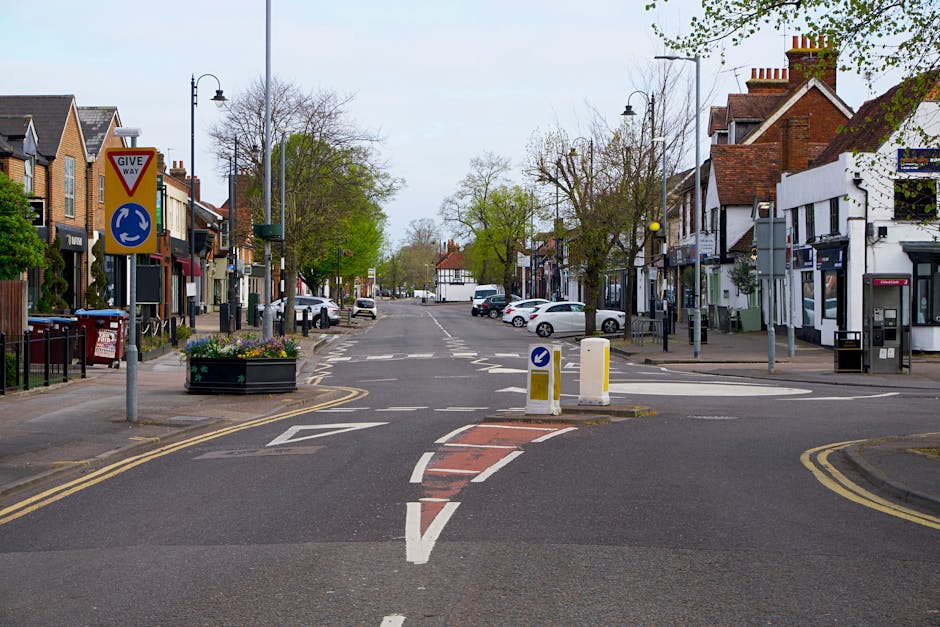
Gardening Services in Eltham

Gardening services in Eltham should be practical, well planned and shaped around the work the garden actually needs. We provide routine and one-off help across common outdoor tasks, from keeping lawns tidy and hedges under control to clearing overgrown areas and improving tired borders. The aim is straightforward: create a neat, usable outdoor space with work that suits the condition of the site, the season and the time available.
Our approach covers both maintenance and larger garden projects, so customers can look for regular care or a more involved reset. Some gardens need repeated visits to stay in shape, while others need selective clearance, trimming or redesign before routine care can begin. We keep the service focused on clear outcomes and sensible choices, rather than overcomplicating the process. If you need support in Eltham, the right scope of work starts with the garden’s current state.
Common requests include mowing, hedge trimming, garden clearance, landscaping, decking and broader garden maintenance. Where a garden has a mix of these needs, we can discuss the order of work so the practical tasks are handled efficiently and the final result is easier to maintain. For a straightforward next step, you can request a quotation once you know which parts of the garden need attention.
Routine Garden Maintenance
Routine garden maintenance is often the best option when the space is already manageable but needs consistent care. That may include mowing grass, trimming edges, keeping planting areas under control, cutting back light growth and removing debris that builds up over time. In a typical maintenance visit, each part of the garden is treated as part of one working whole, so the result feels tidy rather than piecemeal. The service can be useful for front gardens, rear gardens and shared outside areas where presentation matters.
We can also support gardens that need seasonal attention rather than weekly intervention. Early spring growth, summer cutting, autumn leaf fall and the general build-up of weeds can all change what a garden needs from one month to the next. A sensible maintenance plan does not have to be elaborate. It simply needs to match the garden’s growth rate, the access available and the level of finish the customer wants to keep. Garden maintenance is a practical starting point when the outdoor space needs regular upkeep rather than a complete overhaul.
What regular care can include
- Lawn cutting and border edging
- Light pruning and shaping
- Clearing leaves, twigs and cuttings
- Weed reduction in beds and paths
- General tidying to keep the garden usable
Lawn Mowing and Hedge Trimming

Lawns and hedges usually define the overall look of a garden, so they benefit from precise attention. Mowing is not just a matter of reducing height; the finish, edging and frequency all influence how tidy the space appears. Hedge trimming also needs care, because a hedge can look blunt, uneven or overcut if it is handled too quickly. We work to keep both features neat, balanced and in line with the shape of the garden. Lawn mowing is useful when grass needs reliable cutting and a cleaner finish across the whole plot.
Hedge trimming is equally important where screening, boundary definition or plant health depends on careful cutting rather than heavy reduction. Different hedge types can need different treatment, and a good result often comes from removing growth gradually instead of stripping it back too hard. We can also discuss whether a hedge only needs routine tidying or more corrective work to bring it back into line. The right choice depends on growth, access and the shape you want to keep.
For customers comparing maintenance options, it helps to think about what needs repeating and what only needs occasional attention. A lawn may need a regular cycle of cutting, while a hedge might need fewer visits but a more detailed finish when it is worked on. Where both are part of the same garden, we can combine the tasks into one clearer plan. That saves repetition and makes the result easier to keep in good order.
Garden Clearance and Overgrowth Reduction
Garden clearance is the right service when the outdoor space has become cluttered, heavily weeded or difficult to use. It can involve cutting back dense growth, removing loose garden waste, lifting debris, and restoring enough order for the space to be assessed properly. Some clearances are needed after a period of neglect, while others follow seasonal build-up or the removal of old planting. Either way, the work is about making the garden manageable again before any finer improvements are planned. Garden clearance is often the quickest route to a visible change in a neglected plot.
Clearance work may also be needed when access routes, borders or corners have become blocked by overgrown material. In those cases, the service is less about cosmetic tidying and more about opening up the space safely and sensibly. Once the main obstruction has been dealt with, it becomes easier to see what can stay, what needs cutting back and what may need replacement. That is one reason clearance and maintenance are often linked: the first restores order, the second keeps it that way.
If you are unsure whether a garden needs partial clearance or a fuller reset, a brief review of the site usually helps. Some areas need selective work only, while others are better treated as a bigger project. A clear description of what has built up in the garden and what should remain in place will help shape the quotation. Tell us what is visible now, and we can guide the next stage.
Landscaping and Garden Improvement

Landscaping is the broader service for gardens that need more than upkeep. It can include reshaping beds, improving access, adjusting levels in a modest way, introducing new features or redefining how the space is used. Where a garden feels awkward, unfinished or poorly arranged, landscaping gives structure to the layout and helps the outdoor area work better in everyday use. The work may be simple or more involved, but the intention is the same: create a garden that looks deliberate and feels easier to maintain.
Landscaping can sit alongside other services such as clearance, planting changes and lawn restoration, depending on the starting point. In some gardens, the most useful work is functional rather than decorative. Better pathways, cleaner borders and improved separation between paved and planted areas can make a noticeable difference without changing everything at once. That makes landscaping a practical choice for owners who want improvement in stages, rather than a single dramatic transformation.
When planning garden improvements, it helps to focus on what is limiting use: poor shape, weak definition, uneven surfaces or a layout that does not suit the way the garden is actually used. Once those constraints are clear, the work can be kept purposeful. A good landscaping plan does not need unnecessary additions; it needs a proper match between the existing garden and the result the customer wants to achieve.
Decking and Usable Outdoor Areas
Decking can help turn an underused part of a garden into a more practical sitting, walking or entertaining area. It is often chosen where the ground is uneven, muddy or not well suited to simple planting. A well-planned deck can define a space clearly, provide a cleaner surface and connect the house to the rest of the garden in a more useful way. The exact design depends on the site, but the main goal is to improve use without creating unnecessary upkeep.
Decking services are most valuable when the proposed area needs a surface that is firmer and more deliberate than lawn or bare soil. This can be part of a larger landscaping plan or a focused improvement on its own. Details such as size, position, edging and adjoining features all affect how the finished area works in practice. Careful planning matters because a deck should feel integrated with the garden, not added as an afterthought.
There are also practical questions to consider before the work begins, such as how the surrounding area will be kept tidy, whether nearby planting should be retained and how the new surface will relate to existing paths or steps. These decisions are easier when the garden is assessed as a whole. If decking is one part of a wider improvement, we can discuss how it fits with clearance or landscaping work so the final layout feels consistent.
Tree Lopping and Removal

Tree work needs a careful, measured approach because branches, canopy shape and overall condition all affect the outcome. Tree lopping and removal may be required when growth is encroaching on light, crowding the garden, touching structures or becoming too awkward to manage safely. In some cases, the right answer is selective reduction rather than full removal. In others, taking the tree out may be the clearest way to open the garden again and reduce ongoing maintenance issues.
Tree lopping and removal can therefore be part of both maintenance and larger clearance work. The task may involve cutting back height or spread, removing sections that no longer serve the garden well, or dealing with a tree that has become unsuitable for the space available. Because trees vary so much in size and condition, it is especially important to be clear about what is growing where and what the aim of the work is. That allows the job to be scoped properly from the start.
Where trees and shrubs have outgrown their position, the rest of the garden may need attention afterwards as well. Light levels, access and the condition of nearby planting can all change once the main work is complete. For that reason, tree work is often best discussed alongside the wider state of the garden rather than as a standalone task in isolation. It is usually more efficient to plan the sequence sensibly.
How We Plan the Work
Good garden work starts with a clear understanding of the site. Before quoting, it helps to know which areas need attention, how easy the access is, whether waste removal will be needed and whether the job is a one-off or likely to become regular maintenance. Those details matter because a neat-looking garden can still involve very different tasks underneath the surface. A short description is useful, and photographs can also help where the garden is large, uneven or heavily overgrown.
Pricing and quotes are usually shaped by the size of the space, the type of work involved and how much time the job is likely to take. Clearance, hedge cutting, mowing and landscaping all involve different levels of labour and preparation. It is better to treat the quotation as a practical working estimate rather than a fixed formula. When the scope is clear, the quote can reflect the real amount of work more accurately.
The simplest way to prepare is to decide what matters most: tidiness, recovery, a new layout or continued upkeep. If you can describe the main problems and the outcome you want, it becomes easier to recommend the right service mix. Clear information leads to a clearer quotation, especially when several tasks are involved in one garden.
Service Choices for Different Garden Conditions

Different gardens need different solutions, even when the end result looks similar from the outside. A neat lawn, trimmed hedge and uncluttered border may come from regular maintenance in one case, but from clearance and restoration in another. That is why the first decision should be about the current state of the garden. Once that is clear, the work can be matched to the condition of the site instead of being forced into a generic package. If you are reviewing options, services overview can help you compare the main types of work available.
For gardens that need improvement rather than just upkeep, it can be useful to combine tasks in a sensible order. Clearance may come first, followed by mowing or trimming, and then by landscaping or decking if the layout needs further work. In more established gardens, the sequence may be simpler: routine maintenance, occasional hedge cutting and periodic tidy-up visits. The main point is to keep the plan manageable and suited to the space, rather than adding unnecessary steps.
When you are ready to take the next step, a short enquiry is enough to begin. Use the details of the garden you have, the work you want done and any priorities you want us to keep in mind. Contact us to request a quotation for gardening services in Eltham, and we can help shape the right scope of work.
About Eltham
Eltham is a district in the Royal Borough of Greenwich, south-east London, with a long history that reaches from medieval royal connections to modern suburban development. One of its best-known historic landmarks is Eltham Palace, whose origins lie in a royal manor established in the thirteenth century and which later became associated with Tudor royalty before the surviving house was transformed in the twentieth century. The area also includes Eltham High Street, a traditional commercial spine that reflects successive periods of change in the district’s growth. Alongside the older core, the wider area has substantial twentieth-century housing, with streets and estates that spread out from the centre and give Eltham a layered residential character. The district sits on higher ground compared with some surrounding parts of south London, and this has helped shape its long-settled feel and varied street pattern. Historic churches, local parks and open spaces contribute to that character, including Oxleas Wood, one of London’s notable ancient woodland sites, and Sutcliffe Park, a public green space associated with the River Quaggy corridor. The parkland and wooded areas give the district a strong link between suburban neighbourhoods and accessible greenery. Eltham’s built environment also includes a mix of older brick houses, interwar streets and later developments, so its appearance is not dominated by one period alone. That variety, together with its transport connections and local centres, gives the district a distinct identity within south-east London.
Keeping Gardens Tidy Through the Seasons
Seasonal changes affect every outdoor space, and a practical service needs to account for them. Grass grows faster in warmer periods, hedges can thicken quickly, and fallen leaves or cuttings can build up after windy or wet weather. A garden that feels tidy one month can need a different mix of work the next. That is why seasonal maintenance is often best treated as an ongoing relationship with the garden rather than a single task. It allows the space to stay manageable without waiting until problems become severe.
In many cases, the most useful seasonal work is simple but consistent: cutting back growth before it becomes untidy, clearing debris before it mats down, and keeping access routes free enough to use comfortably. Where planted areas are part of the design, pruning and shaping can also help protect form and visibility without stripping the garden of character. These tasks are modest in themselves, but together they make the difference between a garden that is looked after and one that only receives attention when something has gone too far.
If you want help deciding what your garden needs now, think in terms of the present condition rather than what it looked like in the past. That makes the conversation more practical and keeps the work focused on the outcome you want next. A simple plan is often the best plan, especially when the aim is to make the space easy to enjoy and simpler to maintain.
Requesting a Quotation
When you ask for a quotation, it helps to name the main task first and then mention anything that affects the scope. For example, a job might centre on mowing, but also include hedge trimming, clearance or light landscaping. The more clearly the work is grouped, the easier it is to respond with something sensible. If you have measurements, access notes or a rough idea of the finish you want, include those too. They can all help shape a clearer estimate.
Some customers prefer to plan the work in stages, especially if the garden needs more than one kind of intervention. That can be sensible when the site is overgrown, when there is a lot to clear or when the final layout needs to be improved after the initial tidy-up. In those cases, a quotation can be based on the immediate priorities first, with further work discussed once the garden is under control. Keep the request focused on the garden you have now, and the reply can be more useful.
The quickest way to move ahead is to send a brief enquiry and state whether you need routine maintenance, garden clearance, landscaping, decking, hedge trimming, lawn mowing or tree work. We will then be able to consider the right scope for gardening services in Eltham and prepare a quotation that reflects the job properly. For a direct next step, please ask for a quotation today.